


Introduction to Car Kits
When you’re on the road, the unexpected can happen at any moment. From flat tires to medical emergencies, having a sense of preparedness can mean the difference between a minor inconvenience and a major ordeal. This is where a car kit comes into play.
What is a Car Kit?
A car kit is essentially a collection of essential items required to help you navigate various situations you might face while traveling. It’s a compact bundle of tools, supplies, and resources designed specifically for emergencies on the road. Whether you’re heading on a long road trip, commuting daily, or just running errands, having a well-stocked car kit can provide peace of mind. Imagine this: It’s a rainy evening, and as you’re driving home, your car suddenly takes a turn for the worse. You pull over to discover a flat tire. If you have a car kit ready, you can quickly retrieve your tire iron, jack, and any other necessary tools to manage the situation. Without that kit, you might be left waiting for roadside assistance or worse, stranded for an extended period.
Benefits of Having a Car Kit
The benefits of having a car kit extend far beyond just convenience. Here are some key advantages you should consider:
- Peace of Mind: Knowing that you have the tools to handle emergencies can reduce anxiety during your travels. You feel more secure, whether you’re driving in the city or the countryside.
- Cost-Effective: Many roadside assistance calls can be expensive. By having the right tools, you can potentially save on service fees for things you could handle yourself.
- Safety: A car kit can provide crucial materials in case of emergencies. For example, if someone in your car gets injured, having basic first aid supplies can help you manage the situation until help arrives.
- Versatile Applications: Besides emergency situations, the items in a car kit can be useful for daily tasks—like minor repairs or even basic comfort items during a long drive.
Here’s a quick list of top items your car kit should ideally include:
- Emergency tools (jack, tire iron, flashlight)
- First aid supplies
- Non-perishable snacks and water
- Road maps (in case your GPS fails)
- Blanket and warm clothes for chilly conditions
Think of your car kit as an insurance policy—it’s there to protect you when you need it the most. It’s always better to be prepared and not need it than to find yourself in a difficult situation without the proper resources. So, let’s dive deeper into what you should include in your essential items for your car kit, ensuring that you’re truly prepared for whatever the road may throw your way.

As you put together your Car Kit, it’s crucial to include the right essentials. These items will not only prepare you for unexpected situations but can also provide peace of mind while you’re on the road. Two of the key categories to focus on are emergency tools and first aid supplies.
Emergency Tools
Having the appropriate emergency tools in your Car Kit can make a significant difference during roadside emergencies. These tools can help you manage minor situations or get you back on the road quickly. Here are some critical emergency tools you should consider adding to your kit:
- Jumper Cables: If your car battery dies, jumper cables can be a lifesaver. Just make sure you know how to use them safely. I remember a time when I helped a stranded traveler jump-start their vehicle, and it felt great to lend a hand.
- Tire Repair Kit: A flat tire can leave you stranded; hence, a tire repair kit is essential. Look for one that includes tire plugs, a T-handle tool, and a pressure gauge.
- Flashlight: You don’t want to find yourself in the dark during an emergency. A good-quality flashlight or even a headlamp can light up your surroundings when you need it most.
- Multi-Tool or Swiss Army Knife: These versatile tools can serve a multitude of functions – from cutting rope to loosening a jammed part.
- Reflective Warning Triangles: These are particularly useful if you break down on a busy road. Setting up warning triangles can alert oncoming traffic to your presence.
First Aid Supplies
Accidents can happen at any time, and that’s why first aid supplies are a must-have in your Car Kit. Being prepared to handle minor injuries is crucial for both you and your passengers. Consider including the following first aid supplies:
- Adhesive Bandages: These are essential for minor cuts and scrapes. It’s handy to have various sizes.
- Antiseptic Wipes: To clean wounds before applying bandages.
- Gauze Pads and Medical Tape: Essential for larger injuries that may require more than just a band-aid.
- Burn Cream: In case of minor burns, like those from accidentally touching a hot engine.
- Pain Relievers: Don’t forget to pack some over-the-counter pain relief medications like ibuprofen or acetaminophen.
- Emergency Contact Numbers: While not a physical first aid item, having a list of emergency contacts—along with any critical medical information—can prove invaluable.
Putting these emergency tools and first aid supplies in your Car Kit not only prepares you for unexpected events but can also provide peace of mind knowing that you’re ready for emergencies. Whether it’s a flat tire or a minor injury, being prepared can make all the difference in ensuring a smooth and safe journey.

Choosing the Right Car Kit for Your Needs
As you consider the essentials for your car kit, it’s crucial to evaluate how to best meet your specific needs. With so many options available, you can either opt for a pre-made kit or choose to create a DIY version tailored precisely to your preferences and circumstances.
Pre-Made vs. DIY Car Kits
When it comes to choosing a car kit, one of the first decisions you’ll face is whether to go for a pre-made car kit or to build one yourself. Both options have their unique advantages. Pre-Made Car Kits: – Convenience: These kits are ready to go, often containing a variety of tools and supplies that are standard to emergency situations. You can just grab it and toss it in your trunk. – Time-Saving: If you’re not a fan of shopping around, pre-made kits save you valuable time, making it easier to meet the basics without endless brainstorming. – Reliability: Many reputable brands design their kits based on safety regulations and expert recommendations, offering peace of mind that essential items are included. DIY Car Kits: – Customization: Creating your own kit allows you to select items that specifically match your needs. For instance, if you’re an avid hiker, you might include specialized equipment like a compass or additional food supplies. – Cost-Effective: Often, a DIY kit can be assembled for less money, especially if you already own some of the necessary items. – Learning Experience: Building your own car kit can be an enlightening experience, allowing you to understand each component’s importance. Consider the pros and cons carefully based on what matters most to you.
Tailoring Your Car Kit for Specific Situations
The next step in selecting the right car kit is determining the specific situations you may encounter. Here are some practical ways you can tailor your kit:
- Length of trips: If you’re planning a long road trip, pack additional food, water, and comfort items like a travel blanket. On short commutes, you might only need the essentials.
- Location: If you live in a rural area or plan to travel through isolated regions, ensure your car kit includes additional tools like a flashlight, a spare tire, and maybe even flares. Cities might require less but still benefit from a first aid kit and emergency phone charger.
- Weather Conditions:
- Winter: Include items like blankets, hand warmers, a shovel, and salt for traction.
- Summer: Consider extra hydration supplies, sunblock, and insect repellent.
By implementing these adjustments, you create a car kit that truly resonates with your lifestyle and circumstances. Take a moment to assess your regular destinations and activities, and pen down a list of items that would enhance your road safety and comfort. In summary, whether you choose a pre-made car kit or build your own, the key is to ensure it is customized to your unique situation. Engage with your car kit like a trusted companion, preparing it for the adventures ahead!
Importance of Maintenance and Regular Checks
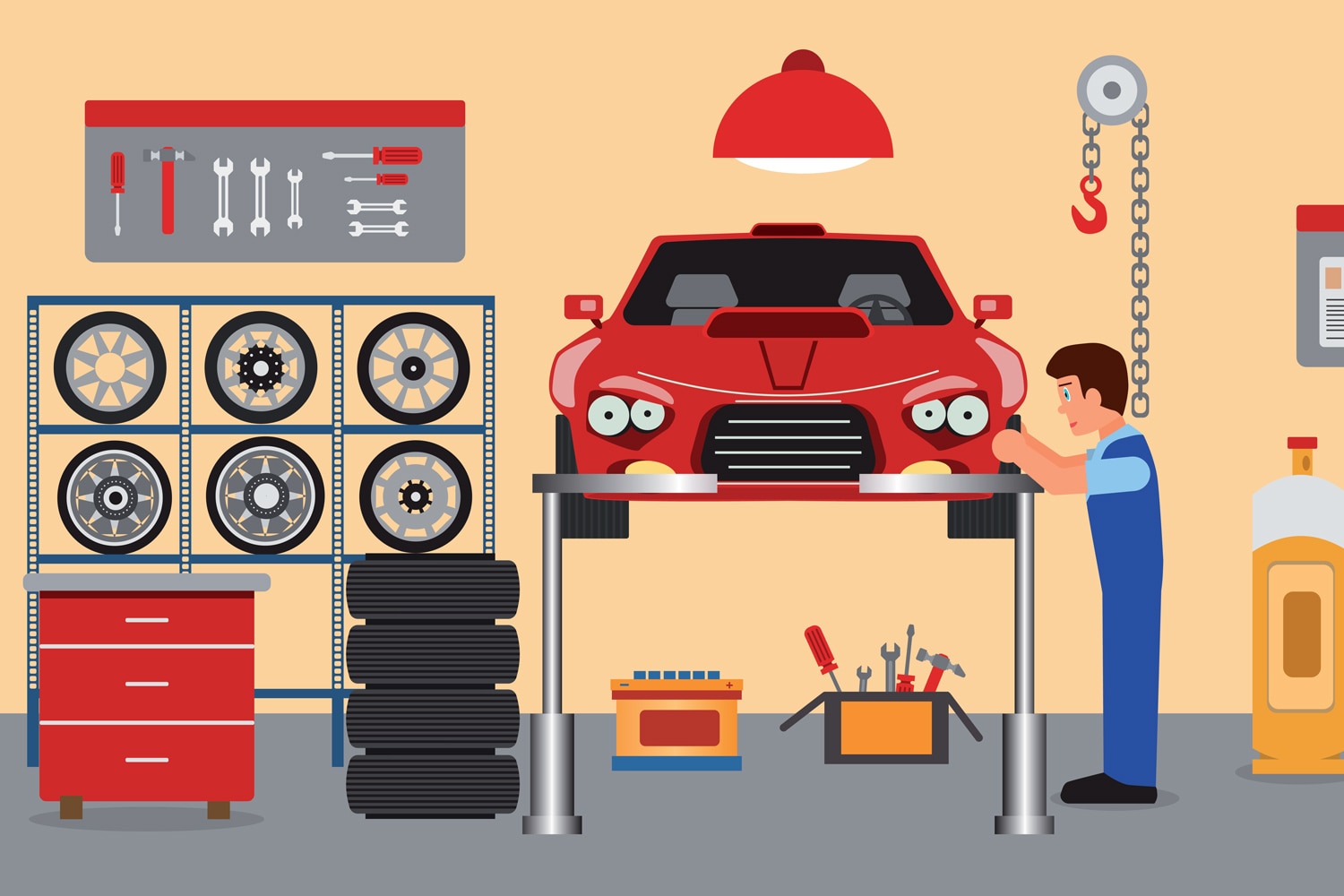
When it comes to your car kit, assembling it is just the beginning. The true value of your car kit lies in its maintenance and regular checks. You wouldn’t want to find yourself in an emergency only to realize that critical items in your car kit are expired or unusable. Here, we’ll discuss two essential aspects of maintaining your car kit: checking expiry dates and rotating perishable items.
Checking Expiry Dates
It’s very easy to forget about the items you’ve crammed into your car kit, especially if you don’t use them often. However, just like food items in your pantry, a car kit’s supplies can also expire. First aid supplies like adhesive bandages, antiseptic wipes, or medications, for example, come with a shelf life. I once encountered a situation where I needed a burn cream, only to discover it had long since expired—talk about disappointing! To avoid such situations, make it a habit to check the expiry dates of your car kit items regularly. Here’s how you can do it effectively:
- Set Reminders: Use your phone’s calendar app to set reminders every six months to check your car kit.
- Create a Checklist: Keep a simple checklist of all items in your kit with their expiry dates noted. It’ll help you stay on track.
- Make Adjustments: If an item is close to expiring, replace it immediately. Don’t wait until you need it.
An organized car kit could mean the difference between a minor inconvenience and a serious issue.
Rotating Perishable Items
In addition to checking expiry dates, rotating perishable items is also crucial. Think of emergency food supplies, like granola bars or packets of electrolyte powder. These items can degrade over time and may be less effective when you need them the most. Here’s how to go about rotating perishable items in your car kit:
- First In, First Out (FIFO): Adopt this principle to ensure older items get used first. Place newer items at the back and older ones at the front.
- Stock Up When Sales Occur: Take advantage of sales on snacks or health bars. Always replace what you take out, keeping your supplies fresh.
- Seasonal Checks: With seasons changing, revisit your kit to assess the condition of any food items. It’s a good excuse to refresh your supplies.
Remember, a well-maintained car kit not only prepares you for emergencies but also promotes peace of mind whenever you hit the road. Being proactive in checking expiry dates and rotating perishable items ensures that you’ll always have reliable resources available when unexpected situations arise. So, treat your car kit with the care it deserves, making frequent checks a part of your driving routine.
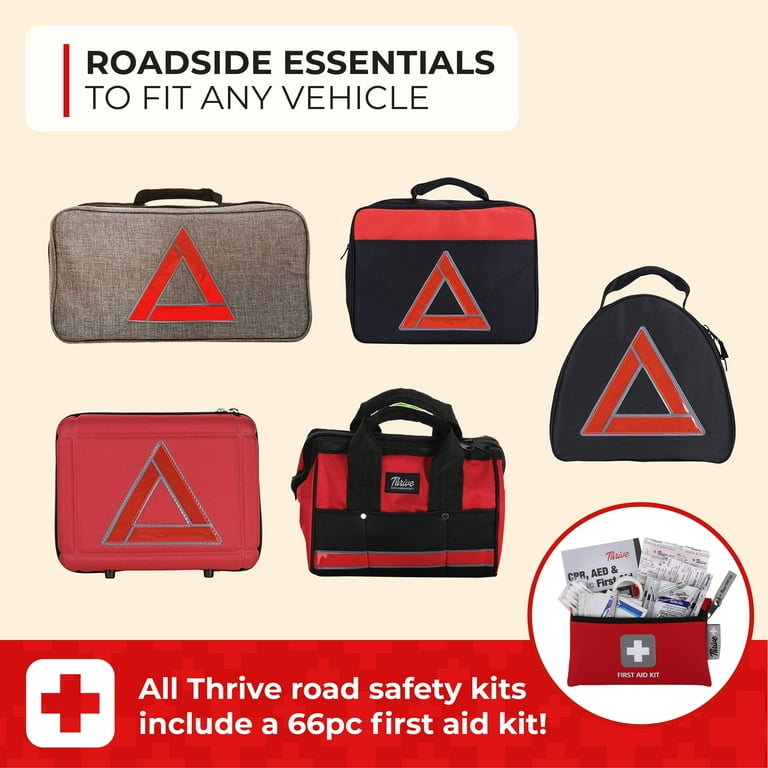
Continuing from the importance of maintaining your car kit, let’s delve into some safety tips that ensure you not only have the necessary items but can also use them properly when needed. Among these tips, proper storage of hazardous items and familiarizing yourself with the contents are essential for avoiding mishaps and maximizing the efficiency of your car kit.
Proper Storage of Hazardous Items
When it comes to safety in your car, the storage of hazardous items should be your top priority. Certain tools and supplies can pose risks if they’re not stored correctly. Here are some key considerations:
- Isolation: Keep hazardous items separate from general items in your car kit. For instance, flammable materials like road flares, disposable lighters, or anything containing chemicals should have their own compartment.
- Sturdy Containers: Use containers that can handle spills or leaks. For example, if you’re storing automotive fluids or batteries, ensure they are in a leak-proof container to prevent damaging your car’s interior.
- Avoid Extreme Temperatures: Store your car kit in a location where the temperature is relatively stable. Leaving hazardous items in a hot car can lead to explosions or leaks. If it’s summer, resist the urge to tuck your kit under the blazing sun in the back seat!
- Regular Inspections: Every few months, check your kit to ensure everything remains intact. Look for any signs of container wear, leaks, or expiration dates (especially for flares).
Familiarizing Yourself with the Contents
Having a well-equipped car kit is only half the battle; knowing how to use each item is crucial. It’s not uncommon to panic during a roadside emergency, and being aware of what’s in your kit can help you react more effectively.
- Conduct a Walk-through: Take time to go through each item in your car kit. Lay everything out in your garage or home simply to familiarize yourself. This way, in an emergency, you won’t be digging around in a stressed state looking for that tire gauge or first aid supply.
- Practice Using Key Items: Some tools, like a jump starter or a tire inflator, need a bit of practice to operate confidently. For instance, last summer, I had to help a friend jump-start their car. Thankfully, we had practiced this earlier; knowing the steps made it a breeze.
- Create a Checklist: Keeping a checklist inside your kit not only reminds you what to check but also helps jog your memory during emergencies. You might add something as simple as:
- First aid kit
- Roadside flares
- Multi-tool
- Jumper cables
- Flashlight
By ensuring your hazardous items are properly stored and familiarizing yourself with your car kit contents, you can greatly reduce risks associated with roadside emergencies. Preparedness is about peace of mind; the more you know, the less stressed you’ll be if you ever find yourself in a tough spot. Stay tuned as we explore additional items to consider for your car kit, ensuring you’re prepared for any situation that may arise on the road!

As you build out your car kit, it’s essential to think beyond just the essentials and consider adding some comfort and personal items. These additions can make a significant difference, particularly during unexpected stops or delays.
Comfort Items
Comfort items in your car kit can really help ease the stress of roadside emergencies or long trips. Let’s face it, when you’re stuck waiting for help or taking a long drive, a bit of comfort goes a long way. Here are some items to consider:
- Blankets: A soft, compact blanket can keep you warm during chilly nights or provide a little comfort while you wait for help.
- Travel Pillow: If you’re on a long journey, a travel pillow can help you catch some shut-eye comfortably.
- Snacks: Granola bars, nuts, or dried fruit are great for keeping your energy up during long drives or when you get hungry unexpectedly.
- Bottled Water: Staying hydrated is important, especially on hot days. A couple of bottled waters in your kit is a smart choice.
For example, I remember a road trip when we were stuck in traffic for over an hour because of an accident. Having those snacks and bottled water on hand made the wait more enjoyable and took the edge off our hunger.
Personal Items
Personal items are crucial for making your car kit truly your own and can cater to your specific needs or habits. Here are some essential personal items you might consider:
- Medication: Always keep any necessary medication, like allergy pills or prescriptions, in your car kit. You never know when you’ll need them.
- Sunglasses: For those sunny days, a pair of sunglasses can help you see better and protect your eyes from glare.
- Phone Charger: A portable charger or charging cable can be invaluable for keeping your devices powered in case of emergencies.
- Cash: Having some cash for tolls or small purchases can be beneficial, especially in areas where card transactions may not be accepted.
During one trip, my phone died while I was navigating a complicated route. Luckily, I had a portable charger in my car kit, which saved me from getting lost. In summary, when putting together your car kit, don’t forget to include comfort and personal items. They can elevate your experience from frustrating to manageable, and they ensure you’re prepared for whatever the road might throw at you. A well-thought-out car kit with both essential and comforting items can greatly enhance your peace of mind while behind the wheel.

Car Kits for Different Seasons and Weather Conditions
As you prepare your car kit, it’s essential to consider the specific challenges posed by different seasons and weather conditions. Both winter and summer have their unique demands, and having the right items in your car kit can make a significant difference.
Winter Car Kit Essentials
Winter brings a set of challenges that can be particularly daunting when driving. Snow, ice, and colder temperatures can put you in precarious situations, so having a comprehensive winter car kit is crucial. Here are the essentials you should include:
- Blankets: A warm thermal blanket can keep you cozy if you get stranded.
- Shovel: A small, foldable shovel can help you dig out your car if it’s stuck in the snow.
- Ice Scraper and Snow Brush: Don’t forget to clear your windshield; it’s vital for visibility.
- Extra Warm Clothes: Keep spare gloves, a hat, and socks in your car for emergencies.
- Non-perishable Snacks: Granola bars or nuts can provide energy if you’re stuck for an extended period.
- First Aid Kit: Ensure your first aid supplies are up to date and include items like adhesive bandages and antiseptic wipes.
I remember one particularly snowy evening when my car slid off the road. Thankfully, I had my winter kit with a warm blanket and snacks, which made waiting for help much more bearable.
Summer Car Kit Essentials
Once the snow melts and the heat rises, the requirements for your car kit change. Summer can also present its challenges, such as breakdowns and dehydration. Here’s a rundown of essential items for your summer car kit:
- Water Bottles: Keeping hydrated is crucial during hot months. Always have a few bottled waters in your car.
- Sunscreen: Even a minor delay can expose you to dangerous UV rays while waiting for roadside assistance.
- Flashlight with Extra Batteries: Summer storms can come out of nowhere, so having a reliable flashlight is essential for visibility.
- Jumper Cables: The heat can take a toll on your battery, and jumper cables can help you get back on the road.
- Basic Car Maintenance Tools: A wrench and a pair of pliers can help you with minor repairs, preventing a long wait in the heat.
These summer essentials come in handy more often than you might think. Just last summer, I had a friend whose car battery died while we were on a road trip. Thanks to the jumper cables I had stashed in my kit, we were back on the road in no time. By tailoring your car kit for both winter and summer, you not only increase your safety on the road but also enhance your confidence in tackling any situation that comes your way. Ensure you check your kit regularly and make the necessary adjustments as seasons change. Your future self will thank you!

Continuing from the previous discussion on essential car kits, let’s dive into a specific area for those who travel with their furry friends. Traveling with pets can be a joyful experience, but it also comes with its own set of challenges. Ensuring that your car kit includes the right supplies for your pets is imperative for a safe and enjoyable trip.
Pet First Aid Supplies
When you’re on the road, accidents can happen, even with our beloved pets. That’s why having a designated section in your car kit for pet first aid supplies is crucial. Though I once had a minor mishap during a road trip when my dog got a little too excited and scraped his paw, it served as a wake-up call for me to be prepared. Here’s what you should consider including in your pet first aid kit:
- Self-Adhesive Bandages: Useful for wrapping around a wound or a paw.
- Antiseptic Wipes: Great for cleaning cuts and scrapes to prevent infection.
- Tweezers: Handy for removing splinters or ticks that may latch onto your pet.
- Digital Thermometer: Essential for tracking your pet’s temperature in case of illness.
- Hydrogen Peroxide: Can be used for cleaning wounds, but always consult your vet for the right concentration.
- Pet-Specific Gauze Pads: To cover larger wounds or manage bleeding.
If you ever find yourself needing to use these items, handling it calmly can make all the difference. The key is to familiarize yourself with their use beforehand, as it will ease your mind during emergencies.
Pet Comfort Items
Beyond just health-related items, consider your pet’s comfort during travel. A secure, smooth journey can greatly reduce stress for both you and your pet. Here are some comfort items that you might want to include:
- Blanket: A familiar blanket can provide warmth and a sense of security. If you have a cherished blanket your pet loves, bring it along!
- Travel Crate or Harness: To keep your pet safe while driving. Some animals get anxious in cars, and using a crate can help them feel secure.
- Water Bottle & Travel Bowls: Proper hydration is key, especially on long trips. A spill-proof water bottle is perfect for keeping your pet hydrated without making a mess.
- Toys: Bring a couple of your pet’s favorite toys. They help combat boredom and provide comfort.
- Treats: Snacks or special treats can be a great way to reassure your pet during stressful moments.
Take it from me; my dog loves his travel blanket and toys so much that they make our trips a breeze. During one particularly long journey, I noticed how much more relaxed he was just by having his favorite items with him. In conclusion, packing the right pet first aid supplies and comfort items not only equips you for emergencies but also enhances your pet’s travel experience. Remember, every journey with your pet should be enjoyable, and a well-prepared car kit is a step toward making that happen.

Common Mistakes to Avoid with Car Kits
Having a well-prepared car kit can make a significant difference when unexpected situations arise on the road. However, even the best car kits won’t serve you well if you fall into common pitfalls that many drivers experience. Let’s take a look at two major mistakes you should steer clear of when it comes to your car maintenance and preparedness.
Neglecting to Replenish Used Items
One of the easiest mistakes to make is not replenishing items you’ve used from your car kit. Picture this: you’re in a minor roadside situation and use up that spare tire inflator you had tucked away or a couple of adhesive bandages from your first aid supplies. After dealing with the issue, it’s easy to forget that those items are now missing. Not replacing used items could leave you unprepared for future emergencies. To avoid this error:
- Create a checklist: After each use of your car kit, take a moment to review a checklist of the items and note any that were used. A quick glance before hitting the road can save you a lot of hassle.
- Schedule regular checks: Set reminders on your calendar to review your car kit every few months. This not only ensures you replenish used items but also allows you to check the expiry dates of any perishable items.
- Keep a supply of essentials at home: This way, you’re never far from being able to replenish your car kit in a pinch.
Not Tailoring the Kit to Your Destination
Another common misstep is failing to customize your car kit for specific journeys. Not every road trip is the same, and your preparation should reflect that. If you’re heading off for a weekend camping trip, you’ll want different supplies compared to a day trip to the city. Here are some suggestions to tailor your car kit effectively:
- Consider the environment:
- City Trips: Ensure you have urban necessities like a phone charger, extra masks, or hand sanitizer.
- Outdoor Adventures: Stock up on items like insect repellent, portable phone chargers, and multi-tools.
- Weather considerations:
- If you’re traveling in winter, include items like a blanket, shovel, and ice scraper.
- For summer trips, pack sunscreen and plenty of water, along with cooling towels or portable fans.
- Check for special needs:
- Traveling with children or pets requires additional supplies like snacks, toys for distraction, or dedicated pet first aid supplies.
A little foresight can go a long way. By customizing your car kit based on where you’re going and what you might encounter, you enhance your safety and peace of mind.
Final Thoughts
By avoiding these common mistakes—replenishing your used items and customizing your kit for your destination—you can ensure your car kit remains effective and ready for anything life throws your way. Next time you’re preparing for a road trip, take a few moments to evaluate your kit; it could very well make all the difference in an emergency.

Conclusion: The Importance of Being Prepared on the Road
When it comes to road travel, preparation can make a world of difference. You never know when a minor inconvenience could become a major setback if you aren’t ready. Think about those endless road trips you’ve taken—whether it was getting stuck in traffic, a flat tire, or a sudden downpour while stuck on the highway. Having a well-thought-out car kit can turn a potentially stressful situation into a manageable one.
Being Ready for Anything
Preparedness is all about having the right tools and supplies on hand. Here’s why investing in a comprehensive car kit is essential:
- Safety First: Your safety is paramount. Keeping emergency tools and first aid supplies readily available can help you tackle unexpected incidents effectively.
- Peace of Mind: Knowing that you have the essentials in your car allows you to enjoy your journey without the constant worry of what might happen.
- Saving Time and Trouble: If you find yourself in a tricky situation, having the right resources can save you from searching for help.
Practical Examples of Preparedness
Imagine you’re on a road trip, and suddenly your tire goes flat in the middle of nowhere. By having a car kit with a spare tire, jack, and tire iron, you can change the tire quickly and get back on the road. Or think about a family outing during winter. With snow falling and temperatures dropping, a winter car kit stocked with blankets, a shovel, and a flashlight can be a lifesaver if you slide off the road.
Recommendations for Your Car Kit
To ensure your car kit is truly effective, consider including the following essentials:
- Emergency Tools: Jumper cables, a tire inflator, a multi-tool, and a flashlight.
- First Aid Supplies: Band-aids, antiseptic wipes, pain relievers, and any necessary personal medications.
- Personal Comfort Items: Blankets, water, snacks, and a travel pillow.
Beyond these basics, consider your personal lifestyle. Travel with pets? Invest in pet first aid supplies and comfort items for them too. This way, you can ensure their safety alongside your own.
The Road Awaits
In essence, being prepared is not just about alleviating stress—it’s about making sure you can handle whatever the road throws at you. As you gear up for your next adventure, remember that a well-stocked car kit is your best travel companion. So take the time to assess your needs, gather your supplies, and keep that car kit updated. The road is waiting, and with preparation on your side, you can focus on making memories rather than worrying about mishaps. Whether it’s a spontaneous weekend getaway or a longer journey, being prepared lets you embrace the open road with confidence. Safe travels!